6 Best AI Image Generators Compared (2026 Edition-Free & Paid)
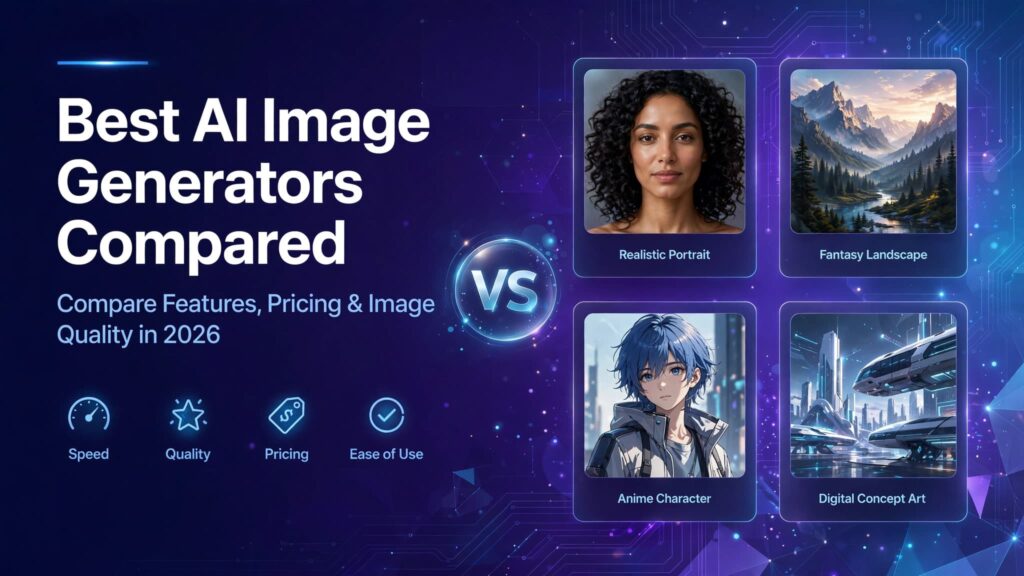
Choosing the best AI image generators compared can feel overwhelming, especially since new tools launch almost every month. Consequently, small business owners and solopreneurs often waste hours testing platforms that don’t fit their actual workflow. Therefore, I’ve spent the past several months running the same prompts across every major AI art tool available today, comparing the best AI image generators side by side.
As a result, this comparison reflects real output quality, not marketing claims from vendor websites. Furthermore, I’ll walk you through free and paid options so you can match a tool to your budget and creative goals. Ultimately, once you’ve seen the best AI image generators compared here, you’ll know exactly what you’re creating, whether that’s blog graphics, product mockups, or social media content.
What Makes an AI Art Tool Worth Using
Before diving into specific platforms, it’s worth understanding what separates a genuinely useful tool from a gimmick. Generally speaking, image quality, prompt accuracy, and licensing terms matter more than flashy interfaces. Additionally, speed matters if you’re producing content daily for a growing blog or social channel. Meanwhile, commercial licensing becomes critical the moment you plan to sell products or run paid campaigns. So, keep these four factors in mind: realism, editing flexibility, pricing structure, and usage rights.
Image Quality And Realism
Admittedly, quality varies wildly between tools, even when you use nearly identical prompts. For instance, Midjourney consistently produces painterly, highly detailed visuals that feel almost photographic in nature. On the other hand, some free tools generate blurry or distorted results, particularly with human faces and hands. Therefore, always run a test batch before committing to any single AI art generator for ongoing projects.
Licensing And Commercial Usage Rights
Equally important, licensing terms determine whether you can legally use generated images in client work or paid products. Specifically, some free plans restrict commercial use entirely, while paid tiers unlock full ownership rights. Consequently, always read the fine print before publishing AI-generated visuals on a monetized blog or storefront.
Top Free AI Art Generators
Fortunately, several free tools now rival paid competitors in output quality, which is great news for bootstrapped creators. Below, I’ve highlighted three standout options based on hands-on testing across dozens of prompts.
Bing Image Creator: Free And Beginner-Friendly
Bing Image Creator, powered by DALL-E technology, remains one of the most accessible free AI image tools for beginners. Notably, it requires only a Microsoft account, and there’s no complicated setup process involved. In my experience, it handles simple prompts well but occasionally struggles with complex, multi-subject scenes. Nevertheless, for quick blog thumbnails or social posts, it delivers reliably decent results without any cost.
Playground AI: Generous Free Tier
Similarly, Playground AI offers a generous free daily credit allowance alongside multiple underlying model options. As a result, you can experiment with different styles before deciding whether a paid upgrade makes sense. Moreover, the built-in editing canvas lets you tweak generated images directly, which saves time in external software. If you’re just starting to build visual assets for your blog design workflow, this platform is worth exploring first.
Leonardo AI: Strong For Product Mockups
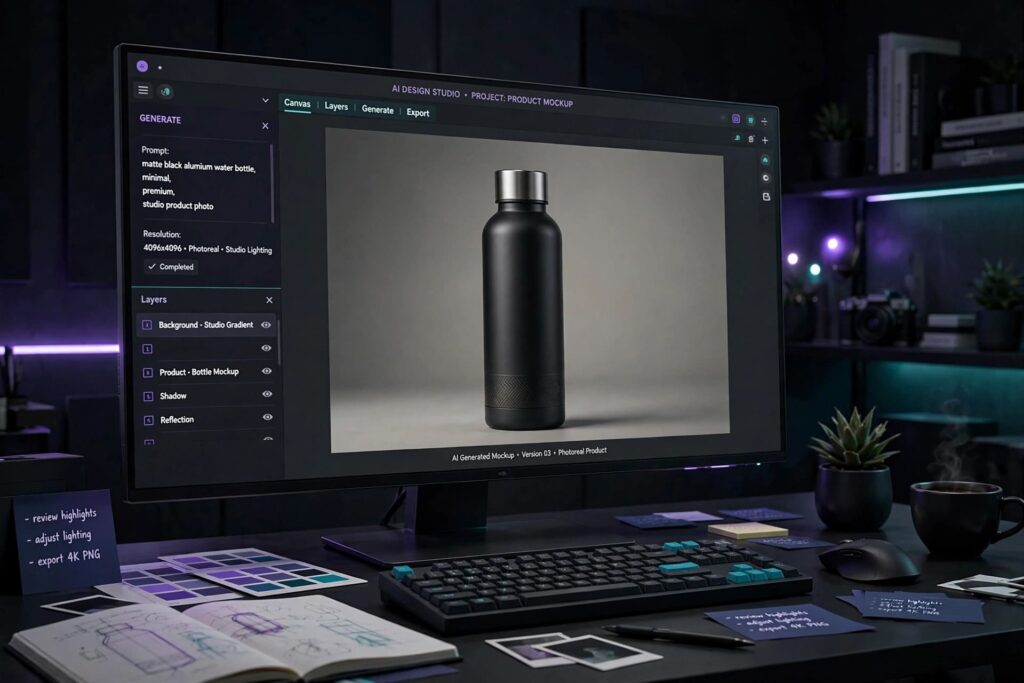
Meanwhile, Leonardo AI has become my go-to recommendation for anyone creating product mockups or marketing visuals. Its free tier includes daily tokens, and the results often look sharper than comparable free alternatives. In fact, I’ve used it to generate several featured images published right here on aiworkflow.mrahman86.com. For related guidance, check our complete guide to free AI tools for small business owners, which covers additional platforms beyond image generation.
Best Paid AI Art Creators For Professionals
Naturally, paid tools justify their cost through higher resolution, faster generation, and expanded commercial licensing terms. Below are three platforms I recommend when budget allows for a monthly subscription.
Midjourney: Industry-Leading Visual Quality
Without question, Midjourney remains the gold standard among premium AI image generators for creative professionals. Its outputs consistently feature rich lighting, believable textures, and compositional balance that few competitors match. However, it operates through Discord, which admittedly creates a learning curve for first-time users. Still, once you master the prompt syntax, the results justify the subscription price for serious content creators.
Adobe Firefly: Best For Existing Creative Cloud Users
Alternatively, Adobe Firefly integrates seamlessly with Photoshop and Illustrator, making it ideal for existing Creative Cloud subscribers. Importantly, Firefly trains exclusively on licensed content, which significantly reduces copyright concerns for commercial projects. Additionally, generative fill and expand features let you extend or edit photos directly within Photoshop. Therefore, agencies and designers already embedded in Adobe’s ecosystem will find this the most practical choice.
DALL-E 3 Via ChatGPT Plus: Best For Conversational Editing
Likewise, DALL-E 3, accessible through a ChatGPT Plus subscription, excels at understanding nuanced, conversational prompt instructions. Specifically, you can request revisions in plain language, and the tool adjusts images without restarting the entire process. Consequently, this makes it particularly useful for non-designers who want control without learning technical prompt engineering. For a deeper look at pairing this tool with content workflows, see our guide on building an AI-powered content calendar.
How To Choose The Right AI Visual Tool For Your Needs
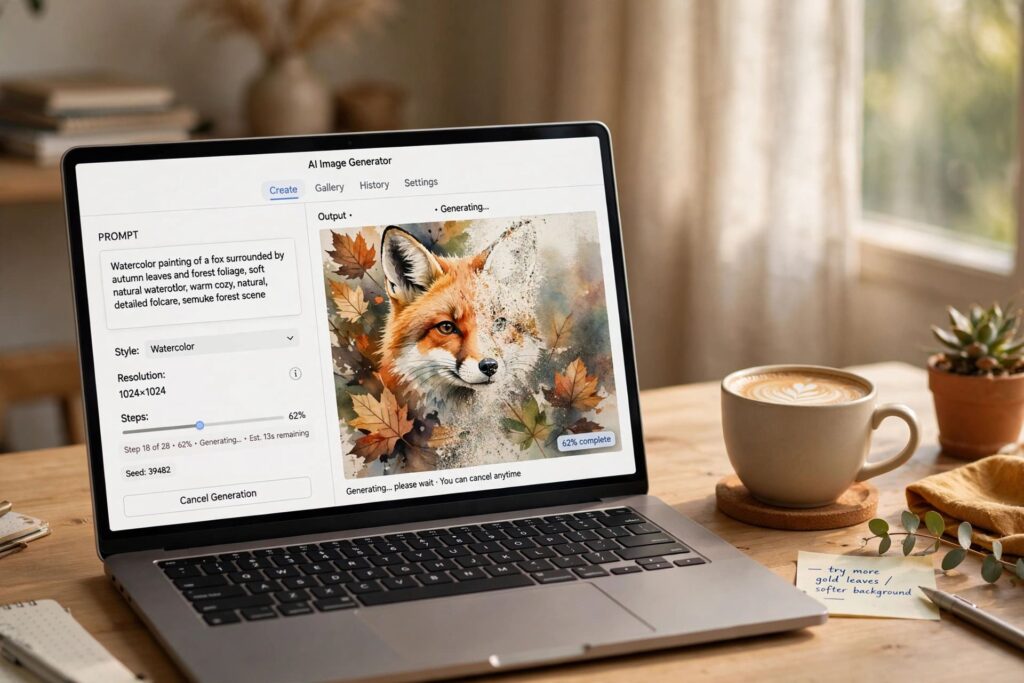
Ultimately, selecting between these AI-powered design platforms comes down to three practical questions worth asking yourself. First, how often will you generate images, since heavy users benefit more from paid subscriptions long-term? Second, do you need commercial licensing, or are these images strictly for personal, non-monetized use? Third, does your existing software stack favor one ecosystem, such as Adobe’s Creative Cloud suite? Answering these honestly will save you both money and frustration during the selection process.
Budget-Conscious Recommendation
If budget is your primary constraint, start with Leonardo AI’s free tier before considering any paid upgrade. Afterward, once you’ve validated your workflow, reinvest revenue into a paid plan for expanded features.
Professional Studio Recommendation
Conversely, agencies and professional studios should prioritize Midjourney or Adobe Firefly for consistent, client-ready output quality. Both tools, notably, offer commercial licensing that protects your business from potential copyright disputes down the line.
Practical Tips From Real-World Testing
Throughout my testing process, a few lessons emerged that aren’t always obvious from vendor documentation or reviews:
Firstly, always specify lighting and camera angle in your prompts, since vague descriptions produce inconsistent, generic-looking results.
Secondly, negative prompts, meaning what to exclude, dramatically improve output accuracy across nearly every platform tested. Therefore, Use best Prompt and try to learn How to write Better AI Prompts.
Thirdly, batch-generate multiple variations rather than settling for your first result, since quality fluctuates between generations.
Finally, always download images in the highest available resolution, even if you plan to resize them later.
So, It is clear that best prompt writing technique is most important for top quality image generation.
Final Thoughts On Picking Your AI Image Tool
At the end of the day, picking a winner among the best AI image generators compared isn’t really the point the smarter question is which tool fits your workflow, budget, and creative goals. Every platform on this list brings something different to the table, and the “best” one shifts depending on what you’re trying to create.
If you’re just getting started, there’s no reason to spend a dollar before you have to. Leonardo AI and Bing Image Creator handle the vast majority of everyday content needs blog headers, social graphics, quick mockups without touching your wallet. They’re forgiving for beginners, fast to learn, and more than capable of producing polished results for casual or early-stage projects.
Once your blog, store, or brand starts scaling, though, the calculus changes. That’s where premium tools like Midjourney and Adobe Firefly earn their keep. The consistency, artistic control, and commercial-safe outputs they offer become genuinely worth the investment when your visuals are tied to revenue, brand identity, or client work.
The one rule that applies across the board: don’t take any tool’s reputation at face value. Run your own prompts, compare the outputs side by side, and see which platform actually “gets” the style you’re after because even tools built on similar underlying technology can interpret the exact same prompt in wildly different ways. In the end, the best AI image generator compared is simply the one that fits your workflow and budget today.
Frequently Asked Questions (FAQ)
1. Which AI image generator is completely free with no watermark?
Leonardo AI and Bing Image Creator both offer free tiers without watermarks, though daily generation limits apply to each.
2. Can I use AI-generated images for commercial purposes?
Generally yes, though licensing terms vary significantly, so always verify commercial usage rights within each platform’s specific policy.
3. Is Midjourney better than DALL-E for realistic images?
Typically, Midjourney produces more artistic, photorealistic results, whereas DALL-E excels at following precise, conversational editing instructions.
4. Do free AI image generators produce lower quality results?
Not necessarily, since tools like Leonardo AI now rival paid competitors, though paid tiers generally offer higher resolution exports.